
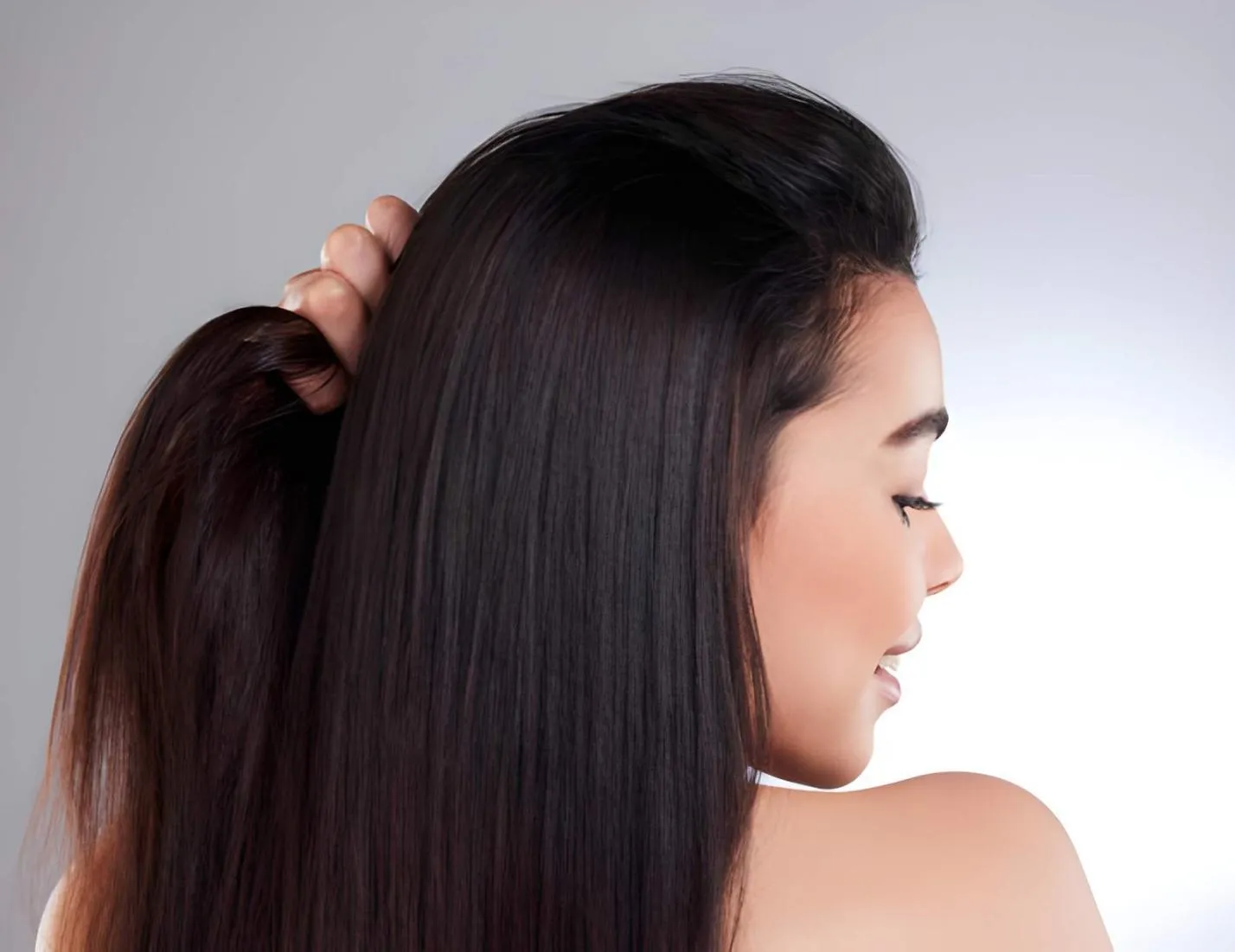
Added hair can make it easier to enjoy fuller, smoother, or more versatile styles, but appearance should never come at the expense of scalp comfort. A style that looks polished may still create problems if it is too heavy, installed too tightly, worn for too long, or maintained without enough attention to the scalp underneath. Choosing the right texture, attachment method, and daily routine can help reduce unnecessary pulling while making the finished look easier to manage. Scalp-friendly styling is not about avoiding extensions altogether. It is about selecting options that work with your natural hair, respecting sensitive areas, and responding quickly when your scalp tells you that something does not feel right.
Choose a Texture That Works With Your Natural Hair
Textured and natural hair can vary in density, strand size, and level of straightness, so the most comfortable option is usually one that blends without requiring excessive manipulation. Relaxed Straight Hair can be a practical choice for people whose own strands are chemically relaxed, silk-pressed, or naturally smooth with some texture. When the added hair closely matches the wearer’s finish, there is often less need for repeated heat styling, heavy products, or tight blending techniques around the hairline.
The weight and fullness of the hair matter just as much as the texture. More hair is not always better, especially for someone with fine strands, thinning edges, or a tender scalp. A lighter installation can still look full when the density is distributed evenly. Before choosing a length or number of bundles, consider how much weight the natural hair can comfortably support and whether the style will require daily pulling, brushing, or repositioning.
Prioritize Low-Tension Installation
A protective-looking style is only protective when it is installed and maintained correctly. Braids, sew-ins, clip-ins, and other extension methods can create strain when the foundation is too tight or the added hair is attached to weak sections. Pain should not be treated as proof that a style is secure. A comfortable installation should feel stable without causing throbbing, headaches, bumps, or a constant pulling sensation.
-
Ask for a secure but low-tension foundation.
-
Avoid attaching extra weight to fragile edges or thinning areas.
-
Leave out sensitive sections when necessary.
-
Choose fewer pieces or shorter lengths if the scalp feels easily overwhelmed.
-
Speak up immediately if a braid, clip, or track feels painful.
People with textured or natural hair may also prefer temporary options that allow more control over placement and removal. Relaxed Straight Hair Extensions Clip Ins can be positioned away from delicate areas and removed when the scalp needs a break. They should be attached only to strong sections of hair, never forced into a tight placement, and taken out before sleeping unless the product instructions specifically state otherwise.
Build a Clean and Comfortable Care Routine
A clean scalp is easier to monitor and is less likely to feel irritated by product buildup, sweat, or trapped debris. Cleansing frequency will depend on the installation type, activity level, and scalp needs, but the goal is to keep the area fresh without rough scrubbing. Use gentle motions, rinse thoroughly, and make sure the scalp and attachment points dry completely. Dampness left underneath added hair can create odor, discomfort, and an unhealthy environment.
Daily care should also include checking how the style feels. Tenderness, itching, burning, or sudden soreness can signal that the hair is too tight, too heavy, or irritating the scalp. Temporary pieces should be removed carefully rather than pulled out quickly. Longer-wear installations should be loosened or taken down when discomfort continues. Covering the style at night with a smooth scarf or bonnet may reduce friction, but it should not be tied so tightly that it adds pressure around the hairline.
The hairline, temples, crown, and nape may need special attention because they often experience repeated tension. Rotating placement and changing styles can prevent the same sections from carrying the weight every time. After removing an installation, allow the scalp and natural hair to rest before immediately adding another style, especially if there is soreness, breakage, or visible thinning. Loose buns, wraps, and simple wash-day styles can provide a polished look while giving sensitive areas time to recover.
Healthy Hair Tips to Remember
Scalp-friendly styling begins with realistic expectations. No extension method is automatically protective, and no texture can prevent damage if the installation is uncomfortable or neglected. The safest choice is one that blends well, feels light, allows access to the scalp, and can be adjusted when needed. Comfort should remain consistent from the first day of wear to the final removal.
Pay attention to what your scalp communicates. Persistent pain, open sores, unusual shedding, or worsening thinning should not be ignored, and professional guidance may be appropriate when symptoms continue. A beautiful style should support confidence without demanding that the wearer tolerate discomfort. Choosing thoughtfully, installing gently, keeping the scalp clean, and taking regular breaks can help added hair remain a flexible styling tool rather than a source of unnecessary stress.
